LLC Tax PreparationA closed month, then the return
Steven Palmieri, Tax CFO and the Entrepreneur's CFO, closes the month with you, sets payday up with a provider you run, and prepares the return from those numbers.

Name the paper you hold
You will be talking to the Steven Palmieri practice.
The Tax CFO way.
An accountant totals a month the bank already matched. A Tax CFO decides what happens next: which treatment the letter supports, whether payday has to be set up, and which date the voucher can still use.
Six papers to open
Election first
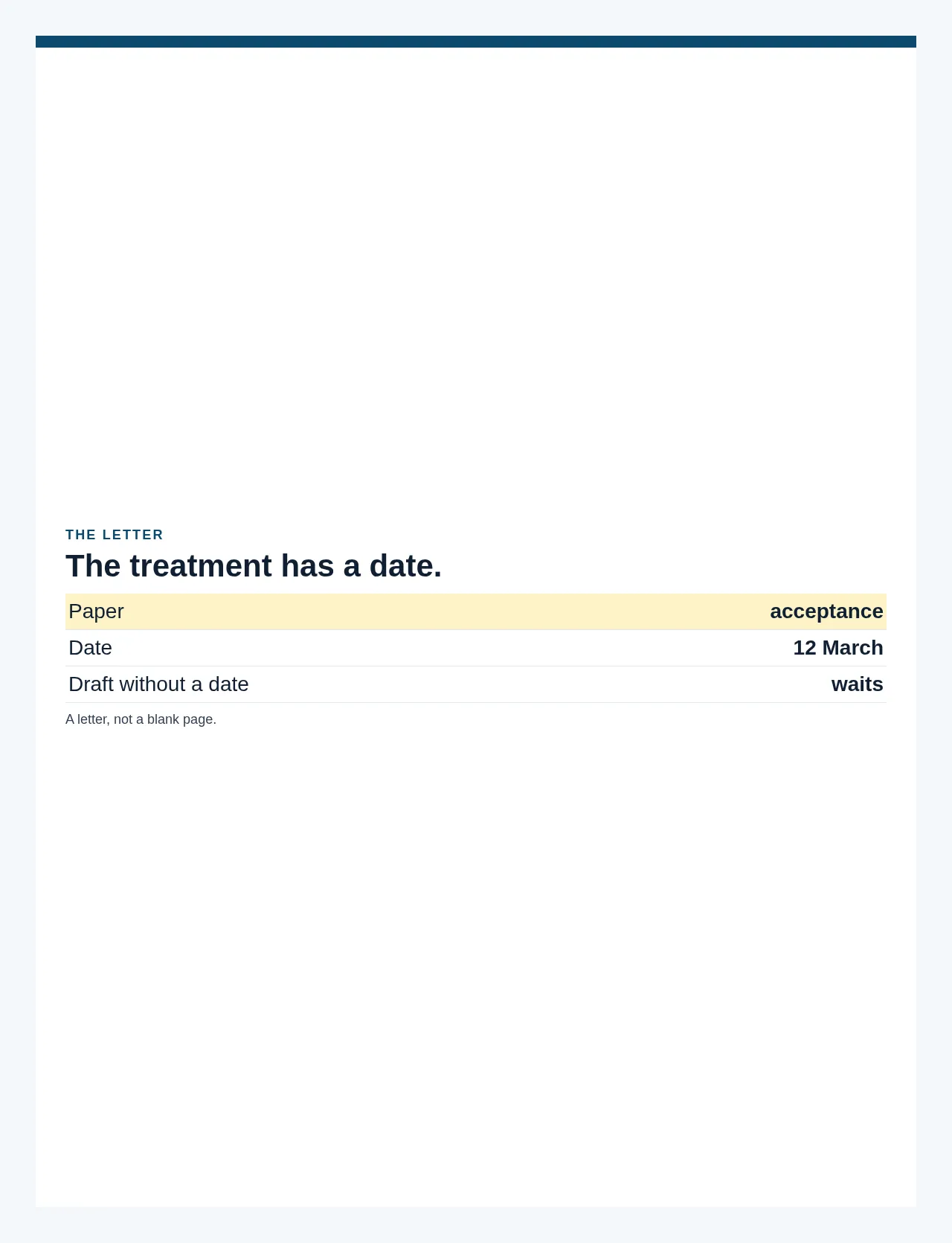
The certificate names the company. The IRS letter names the tax treatment.
Click to read the election ›Tap to read the election ›
Closed month
Deposits named, charges coded, and the balance sheet tied before a draft.
Click to read the close ›Tap to read the close ›Two returns
The company return and the owner return can both be real. Mixing them double counts.
Click to read both returns ›Tap to read both returns ›First year
The close starts on the date the company started, not on a blank January.
Click to read a first year ›Tap to read a first year ›Payday setup
An S election asks for reasonable pay. You run the provider. We connect it.
Click to read payday setup ›Tap to read payday setup ›What you meant
A federal return, an owner return, an estimate, a notice, or a first year.
Click to read the five jobs ›Tap to read the five jobs ›Where each job sits
Six jobs sit in three bands. Open one and see why the return waits on it.
Treatment and the year
1Picking the tax treatment
Choosing the treatment lives with the person who will sign the engagement.
A certificate can say LLC while the tax treatment is still one of four choices. We read the IRS acceptance before a draft begins.
2Reading October with the year still open
The October read lives with the person who can still change the year.
October shows enough profit to judge the year, and a paycheck or a purchase can still change before December closes.
The close itself
1Tying the bank to the books
Matching the bank lives with the person who will refuse an open month.
Every deposit gets a name, every charge gets a code, and uncleared items stay on a list. A download by itself is not a closed month.
2Stopping a return on an open month
Stopping the draft lives with the person who prepares the return.
If the balance sheet does not tie, the return stops. We name the account that is still open and we wait.
The week's paper
1Putting this week's receipts away
Filing receipts lives with the person who keeps the week current.
Receipts go in during the week they happen, so the close checks the bank instead of rebuilding a quarter from a shoebox.
2Connecting payday to a provider you run
Connecting payday lives with the person who will not run payroll.
We connect a payroll provider and leave every run with you. People are not paid from this practice.
The return is the last paper
Owners often arrive holding a blank form and a date. The form is real, and the date is real, and neither one is the start. The start is the tax treatment the company already has, written on an acceptance the IRS sent back. If that letter is in a drawer, we read it. If it was never filed, the return waits while the election is handled, because a draft on the wrong treatment has to be undone.
Once that acceptance is in hand, the next request is a single month the bank can match. Deposits have names. Charges have codes. The balance sheet ties. Items that have not cleared are listed, not hidden in a plug. From that month the year can be read, and the return is prepared from the reading. Steven Palmieri signs the preparation file in the Tax CFO role. The title on the page is the work, a closed month and then the return.
What a closed month contains
A bank download is a list of movements. A closed month is a set of decisions about those movements. A transfer between the company accounts is not income. A owner draw is not a vendor bill. A deposit that belongs to last month stays in last month. We write those decisions down so the next month starts from a number both of us can point at.
Checks that have not cleared, and deposits still in transit, remain on the list where you can see them. A balance sheet that only works because a suspense account grew is not closed. An uncleared item stays on the list where you can see it, instead of disappearing into a plug. The return later uses the closed months, so an open item in March becomes a question on the return if nobody named it when the month was still fresh.
Payday is set up, then left with you
When the company elects to be taxed as an S corporation, an owner who works in the company is expected to take reasonable pay. That pay runs through a payroll provider. We help you choose the provider and we help you turn it on. The weekly or biweekly run, the deposits, and the filings stay on your side of the login. We do not operate payday from this practice.
The wage figures that provider produces are the figures the return should use. A number typed at the end of the year, with no filings behind it, is a story. We would rather the story and the filings match in the month they happened. If payday has never been set up, say so on the form. That is a setup conversation, not a processing one.
Two returns, and which one holds the income
A disregarded company lands on the owner's return. A partnership or an S corporation files its own return and issues a K-1, and the owner then reports what the K-1 says. Those are different pieces of paper. Putting the same profit on both, or on neither, is how income gets counted twice or dropped. We ask which return you are holding before we quote the work.
Your estimate vouchers are a third paper. They belong to the current year, while the company return often belongs to last year. Paying an estimate from memory, without a closed month underneath, drifts. After the return is filed we reset the vouchers from the books you are keeping now, not from a percentage remembered from a seminar.
What we will prepare, and what we will not sign
The deliverable is the books brought current, the month closed, the statements that fall out of that close, the return those statements support, and payday connected to a provider you run. That is the list. An assurance report for a lender is a different firm, one allowed to sign that report. We will say so on the first call rather than discover it after you have sent a binder.
A notice is also a different job from a return. Some notices are a mismatch of a payment. Some are a request for a form that was already filed. We read the notice and tell you which job it is. Representation in an exam is outside this practice. What we do is collect the records named in the notice and answer the document list. The boundary itself is written up on disclosures.
How a first conversation goes
Bring the paper you actually hold. That might be an acceptance letter, a bank statement, a K-1, a notice, or a certificate from the year the company opened. We will name which of those is missing. If the missing piece is the election, we start there. If the missing piece is a closed month, we start there. The return is scheduled after both exist.
The call is a video call. Put the bookkeeping file on the shared screen while we talk. The next close goes on a calendar. Owners work with us from wherever they run the company. The month still closes on the date the engagement names, because the bank does not care which time zone the owner was in when the receipt was photographed.
If you want a constructed picture of the same order, the hypothetical page builds a shop with cards and a cash drawer and no election letter, and it labels itself as invented. No client file is used on that page, and no dollar figure is printed. Use it to see the sequence. Use the form on this page when the paper in your hand is real.
Tell us which paper is missing
You will be talking to the Steven Palmieri practice.